Keep Your Business Running with Regular Locksmith Maintenance
Why Scheduled Locksmith Maintenance Matters for Your Business
Every commercial property relies on a network of locks, keys, and access points to keep operations secure and efficient. Over time, even the best hardware wears down. A lock that sticks, a key that turns with resistance, or an exit device that doesn't catch properly might seem minor at first. But small issues can lead to bigger problems: a lock that fails completely, a security gap that compromises your whole system, or a door that won't open during an emergency. Scheduled locksmith maintenance catches these problems early, saving you from costly repairs and unexpected downtime.
Regular maintenance is not just about fixing things when they break. It is about understanding how your access system works as a whole and keeping every component in good working order. For businesses that rely on commercial locksmith services, a proactive approach to maintenance is the smartest way to protect your property, your employees, and your assets.
Step 1: Assess Your Current Locks and Access Points
The first step in any maintenance plan is to take a full inventory of your property's locking hardware. Walk through your building and note every lock, latch, and access device. Pay attention to the high-traffic doors that get used dozens of times a day, as well as the less-used storage rooms and exterior gates. Each one has a role in your overall security, and each one needs regular attention.
What to watch for at this stage: look for signs of wear like rust, loose screws, or misaligned strike plates. Check whether keys are hard to insert or remove. Test every lock to see if it operates smoothly. If you have electronic access control systems, review the logs to see if any readers or controllers are reporting errors. This initial assessment gives you a clear picture of what needs work and what can wait.
Step 2: Clean and Lubricate Locking Mechanisms
Dirt, dust, and debris are the most common causes of lock failure. Over time, particles build up inside the cylinder and around the bolt, causing friction that makes the lock harder to operate. A simple cleaning can restore a sticky lock to smooth operation.
Use a dry lubricant specifically designed for locks, such as graphite powder or a PTFE-based spray. Avoid oil-based lubricants, as they attract dust and can gum up the mechanism over time. Spray a small amount into the keyway and work the key in and out to distribute it evenly. Wipe away any excess.
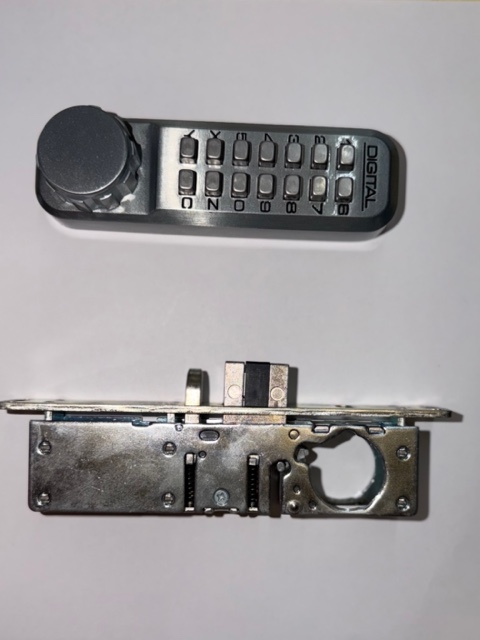
What to watch for: if a lock is so worn that cleaning and lubrication don't help, it may need to be rekeyed or replaced. Pay attention to the feel of the key turning. If it still feels gritty or stiff after cleaning, the internal pins may be worn out. This is a sign that the lock cylinder has reached the end of its useful life.
Step 3: Inspect and Adjust Exit Devices
Exit devices, also known as panic bars, are required on many commercial doors for safety. They must function reliably in an emergency. During maintenance, check that the bar depresses smoothly and that the latch retracts fully. Look for any binding or sticking points along the length of the bar.
Test the door's alignment as well. A door that has sagged or shifted can cause the exit device to misalign with the strike plate, leading to a latch that doesn't catch or one that sticks. Adjust the hinges or the strike plate as needed to get everything back in line.
What to watch for: if the exit device is difficult to push or makes a grinding noise, the internal mechanism may be damaged. Some exit devices have a deadlatch feature that can wear out over time. If the door does not close and latch on its own, the problem is likely with the door closer or the hinge alignment, not the exit device itself. Address those issues separately.
Step 4: Check Master Key and Restricted Key Systems
Many businesses use a master key system to control access across different areas. A master key can open multiple locks, while individual keys are restricted to specific doors. Over time, the precision of these systems can degrade. If a master key no longer operates a lock smoothly, or if a restricted key works in a lock it shouldn't, the system needs attention.
During maintenance, test every master key on every lock it is supposed to open. Note any that require extra effort or do not work at all. Also test restricted keys on their designated locks. Look for any signs of key duplication or unauthorized copying, which can compromise security.
What to watch for: if a master key stops working in a lock, the problem may be in the keyway or the pins. Rekeying that lock to match the master key system is often the best solution. If a restricted key works in a lock outside its authorized set, the lock cylinder may have worn to the point that it no longer distinguishes between different key cuts. That lock should be replaced or rekeyed to restore proper security.
Step 5: Review Your Access Schedule and Key Register
An access schedule is the plan that determines who can enter which areas and at what times. A key register is a record of every key issued and to whom. Both are essential for managing security in a commercial setting. Over time, employees leave, roles change, and keys get lost. Without regular updates, your access system becomes less secure.
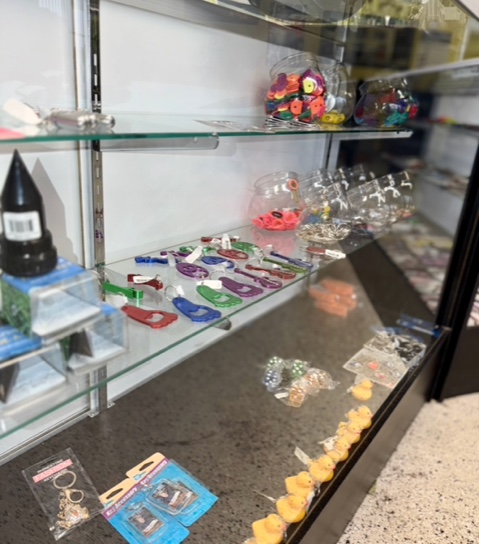
During maintenance, review the access schedule to see if it still matches your business needs. Are there doors that should be restricted but are not? Are there former employees who still have keys? Update the schedule and the register accordingly. If you have an electronic access control system, audit the user list and deactivate any accounts for people who no longer work there.
What to watch for: a common oversight is failing to update the access schedule when business hours change. If your office is now open later on certain days, the schedule should reflect that. Also, look for any keys that are unaccounted for in the register. A lost key that is not recorded creates a security hole. Consider rekeying the affected locks if the key could have fallen into the wrong hands.
Step 6: Inspect Cabinet Locks and Other Secondary Hardware
It is easy to focus only on main entrance doors and overlook the smaller locks on cabinets, drawers, and storage rooms. But these are often where sensitive documents, expensive equipment, or hazardous materials are kept. A cabinet lock that fails can be as serious as a main door lock that fails.
Check every cabinet lock for smooth operation. Tighten any loose mounting screws. If a lock is broken or missing, replace it promptly. For file cabinets and storage units that hold important records, consider upgrading to a higher-security lock if the current one is weak.
What to watch for: cabinet locks are often cheaply made and can wear out quickly. Look for signs of forced entry, such as scratches or dents around the keyway. If the lock feels flimsy or the key wiggles too much, replace it with a sturdier model. Also, ensure that the key for the cabinet lock is not the same as the key for other locks in the building, as this can create a security risk.
Okey Locksmith is also on YouTube.
Step 7: Schedule Regular Professional Inspections
While basic maintenance tasks like cleaning and lubrication can be done by your staff, a thorough inspection by a qualified locksmith is necessary at least once a year. A professional can identify problems that are not obvious to the untrained eye, such as worn internal components, misaligned door frames, or vulnerabilities in your master key system.
For businesses that rely heavily on their access system, a maintenance plan with a local locksmith is a smart investment. Okey Locksmith provides 24/7 mobile automotive, residential, commercial, access control, and emergency locksmith services in Oklahoma City and nearby communities. Their technicians can conduct a full audit of your property and recommend repairs or upgrades before small issues turn into emergencies.
What to watch for: when scheduling a professional inspection, make sure the locksmith has experience with commercial systems, not just residential locks. Commercial hardware is more complex and requires specialized knowledge. Ask about their process for testing and adjusting exit devices, master key systems, and electronic access controls.
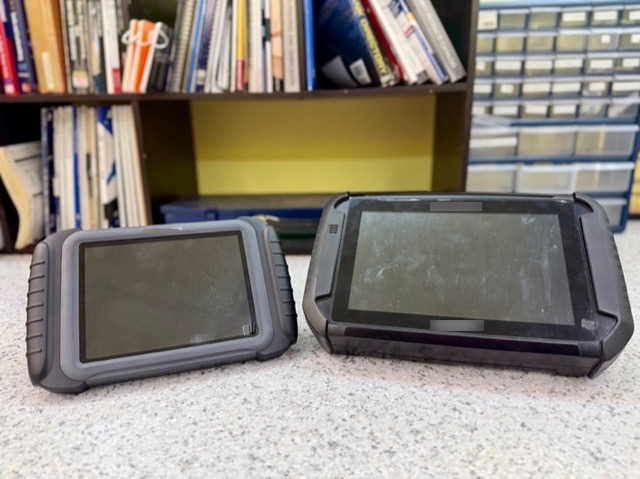
Making Maintenance a Routine
The key to preventing access problems is consistency. Set a calendar reminder to perform basic checks every three months. Tie the annual professional inspection to a regular event, such as the start of the fiscal year or the anniversary of your lease. Document every inspection and repair so you can track the condition of your hardware over time.
By investing a small amount of time in scheduled maintenance, you avoid the frustration of a broken lock, the cost of an emergency service call, and the risk of a security breach. Your access system is the first line of defense for your business. Keeping it in top shape is one of the most practical steps you can take.
If you are located in the Oklahoma City area and need assistance with your commercial locksmith services, Okey Locksmith is available around the clock at 3121 SW 29th St, Oklahoma City, OK 73119, USA, phone +1 405-703-8943. They provide 24/7 mobile automotive, residential, commercial, access control, and emergency locksmith services in Oklahoma City and nearby communities.